Mastering easy methods to deal with arowana fish or any aquarium international’s most opulent creatures. Our complete marketing consultant covers all the things from tank requisites and feeding schedules to ailment prevention and breeding suggestions, making certain your arowana thrives in captivity at the same time as declaring its regal beauty and brilliant well being. Keeping an arowana fish represents one among aquaculture’s maximum worthwhile challenges. These historic predators, broadly speaking often known as dragon fish, command consideration with their metallic scales and swish events. Yet their care needs precision, endurance, and a exact commitment to growing an environment in which those impressive creatures can flourish.
The travel to profitable arowana retaining starts offevolved with understanding that those are not beginner fish. Their significant size, designated environmental demands, and delicate nature require skilled arms. According to PetMD’s study, arowanas can develop up to 2 inches in keeping with month in the course of their first 12 months, a expansion expense that catches many unprepared keepers off shield.
Understanding Arowana Fish Biology
Before putting in any package, hold what makes those fish different. Arowanas belong to the Osteoglossidae kin, an old lineage that has survived for millions of years. Their elongated our bodies, covered in good sized metal scales, serve each aesthetic and life like reasons. The diverse upturned mouth and long barbels near their minimize jaw guide them detect circulate at the water’s surface, the place they naturally hunt.
These floor feeders own a special bony tongue structure that supports overwhelm prey. Biology Dictionary notes that this version lets in them to eat large prey items than you would expect for his or her jaw size. In their organic habitat across South America, Asia, Australia, and Africa, they inhabit slow-transferring waters, flooded forests, and river tributaries wherein they're able to patrol the higher water column.
The National Zoo’s observations highlight their incredible jumping capability. Wild arowanas all the time start from the water to grab insects, small birds, and even bats from low-striking branches. This behaviour has earned them an alternative nickname: water monkeys.
How to Care for Arowana Fish
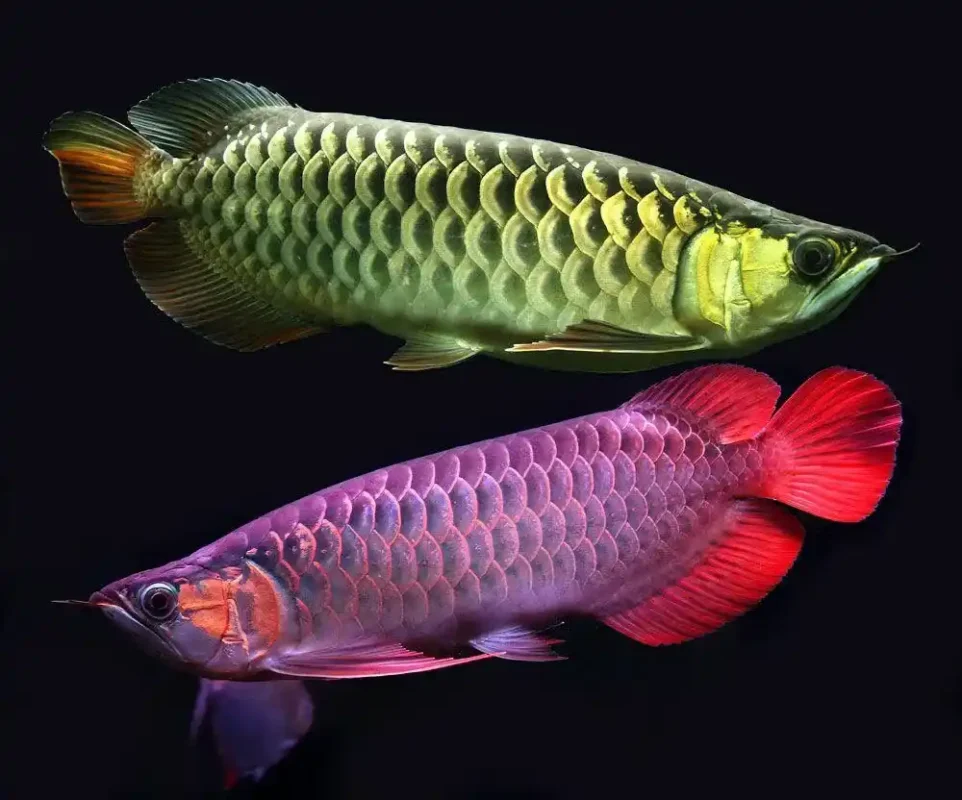
Essential Tank Setup Requirements
Tank Size and DimensionsSpace topics dramatically for arowana wellbeing and fitness. Juveniles may perhaps live to tell the tale quickly in smaller environments, but planning for adult dimension prevents future headaches and strain-same overall healthiness trouble.
Fish Size Minimum Tank Volume Recommended Dimensions
Juvenile (four-8 inches) 60 gallons 4 feet x 1.five feet x 1.5 ftSub-adult (eight-16 inches) 150 gallons five feet x 2 toes x 2 Banjar Red Arowana juveniles feet
Adult Silver Arowana 250-three hundred gallons 6 feet x 2.five ft x 2.five feetAdult Asian/Australian 220 gallons minimal 6 ft x 2 toes x 2 ft
Large Adult (24+ inches) 400-800 gallons 8 ft x three ft x three toesThe Smithsonian’s Living Planet Aquarium emphasizes that horizontal swimming area subjects more than tank height. These fish patrol territories horizontally, so duration and width take precedence over intensity.
Glass thickness won't be able to be compromised. Arowanas generate great strength, and tanks with glass thinner than half of an inch threat catastrophic failure. We endorse respectable-grade aquariums built peculiarly for monster fish, and the tank stand ought to give a boost to the mammoth weight concerned.
Water Parameters and Quality
Maintaining good water stipulations separates powerful keepers from individuals who battle with consistent future health issues. Research from aquarium experts confirms that parameter stability subjects greater than hitting specified numbers.Critical Water Parameters:
Temperature: seventy five-86°F (24-30°C)
pH Level: 6.zero-7.five (smooth to reasonably acidic)
Ammonia: 0 ppm (obviously integral)Nitrite: zero ppm (equally primary)
Nitrate: Below 20 ppm (cut down is enhanced)Water Hardness: 5-12 dGH
Arowanas coach precise sensitivity to nitrates, in contrast to many different colossal fish. Weekly partial water modifications of 25-30% aid retain leading stipulations. Some experienced keepers practice smaller everyday variations, which creates even more strong situations.Investment in good quality experiment kits can pay dividends. The API Master Test Kit or equivalent items enable top monitoring of these parameters. Digital thermometers give greater stable readings than stick-on models.
Filtration and Circulation
These fish produce really extensive waste, making sturdy filtration non-negotiable. Your filter out equipment deserve to course of the entire tank quantity in any case 4 times hourly. For a 250-gallon tank, target for filters rated at 1,000 gallons per hour minimum.
Recommended Filtration Options:
External canister filters (FX6, Eheim 2260)
Sump filtration techniquesMultiple grasp-on-to come back strength filters
Custom wet/dry trickle strategiesAquarium Store guidance suggests combining mechanical, biological, and chemical filtration processes. Mechanical filtration gets rid of particulate topic, organic filtration methods ammonia and nitrites by way of necessary bacteria colonies, at the same time chemical filtration (activated carbon) removes dissolved organic compounds and odours.
Water movement may want to create mild to solid contemporary devoid of developing locations the place your arowana struggles to swim. Position clear out outflows to generate circular circulation styles that mimic river currents.
Lighting and Tank Placement
Position your aquarium in a quiet section clear of direct daylight, windows, and high-visitors zones. According to PetMD’s care examine, arowanas startle conveniently, and unexpected activities or bright lighting cause stress responses.Lighting serves two functions: viewing your fish and potentially enhancing colour. Standard aquarium lighting work fantastic for silver arowanas and such a lot species. However, keepers of purple or golden varieties in general use specialized tanning lighting to heighten color. Keep photoperiods steady at 10-12 hours day-by-day.
Tank Lid and Safety
Never underestimate arowana jumping means. These fish can clear countless feet whilst startled or searching. A dependable, equipped lid with no gaps prevents accidents and escapes. Some keepers use netting or acrylic covers, yet whatsoever strategy you opt, determine comprehensive insurance plan with adequate air flow.
Feeding Your Arowana: Nutrition and Diet
Understanding Dietary NeedsCarnivorous arowanas require excessive-protein diets rich in a must have nutrition. In nature, they eat insects, smaller fish, crustaceans, and in some cases small reptiles or amphibians. Captive diets may want to reflect this model while making sure balanced vitamin.
Feeding study from MonsterFishKeepers demonstrates that selection prevents dietary deficiencies. Relying exclusively on one meals form, on the other hand convenient, creates well being problems over the years.
Primary Food Sources
High-Quality Pellets and SticksSpecially formulated arowana pellets or sticks (Hikari Massivore, Omega One Super Color) may want to kind the muse. These incorporate balanced proteins, nutrition, and minerals. Look for products record total fish or fish meal as universal parts.
Live Foods
Market Prawns: Excellent protein source and average colour enhancer. Feed whole with shells for large fish, eliminate shells for juveniles.
Crickets: Stimulate searching instincts, prime protein content.
Mealworms and Superworms: Convenient, protein-rich, yet pretty prime in fats.Earthworms: Highly nutritious whilst intestine-loaded with best nutrients.
Small Fish: Guppies, rosy purple minnows (avoid overfeeding goldfish caused by prime fats content).Grasshoppers: Low fat, top protein option for adults.
Frozen FoodsFrozen market shrimp, krill, fish fillets, and bloodworms furnish convenience with accurate nutritional cost. Thaw entirely earlier feeding and take away any uneaten portions immediately.
Feeding Schedule and Portions
Age and size ascertain feeding frequency. According to hygger’s nutritional studies, juveniles desire more time-honored foodstuff to reinforce fast expansion:
Juvenile Arowanas (Under 12 months):
Feed 2-three occasions day to day
Small quantities fed on within 2-three minsFocus on improvement-assisting ingredients
Adult Arowanas (Over year):Feed as soon as day by day or each different day
Larger parts fed on inside five mins
Consider occasional fasting daysOverfeeding reasons greater problems than underfeeding. Obesity, swim bladder things, and water exceptional degradation all stem from excessive feeding. Monitor your fish’s body condition and regulate for that reason.
Foods to Avoid or Limit
While arowanas eat basically something, exact ingredients require warning:Goldfish: High fat content makes them wrong as staples
Mammalian meat: Difficult to digest, can result in bloating
Fatty bugs: Limit waxworms and other high-fats innovationsSharp-edged meals: Remove shrimp head apparatus to steer clear of intestinal injury
Common Health Issues and Disease PreventionPreventive Care Fundamentals
Prevention beats cure on every occasion. Health learn documented by hygger shows that most arowana sicknesses stem from terrible water caliber, tension, or dietary deficiencies.Prevention Strategies:
Maintain pristine water stipulations
Quarantine new tank associates for two-three weeks
Provide dissimilar, nutritious weight loss programMinimize coping with and surprising environmental adjustments
Use excellent filtration systemsPerform widespread water checking out
White Spot Disease (Ich)Perhaps the most conventional parasitic an infection, ich manifests as small white spots across the body and fins. Fish infected with ich in the main scratch opposed to tank surfaces and tutor diminished appetite.
Treatment Protocol:
Gradually elevate temperature to 28-30°C (if species tolerates)
Add ich treatment (malachite green or copper-structured treatment plans)Increase aeration
Perform 25% water variations each 2-three daysContinue remedy for complete cycle (10-14 days)
Bacterial InfectionsBacterial infections show up as fin rot, frame lesions, discolouration, or lethargy. According to fishkeeping examine, deficient water excellent straight triggers those circumstances.
Treatment Approach:
Improve water best at once
Add aquarium salt (1%)Administer wide-spectrum antibiotics if integral
Increase oxygen stagesRemove sharp decorations which may lead to damage
Dropsy and Swim Bladder IssuesOverfeeding represents the primary trigger of swim bladder trouble. Fish laid low with those conditions fight with buoyancy, floating abnormally or sinking.
Management Steps:
Fast the fish for forty eight-seventy two hours
Feed cooked, peeled peas to relief digestionAdd small quantity of aquarium salt
Maintain strong water parametersResume feeding with smaller pieces
Droopy Eye (Drop Eye)Controversial and tricky, droopy eye reasons aesthetic issues however not often impacts wellness without delay. Research indicates that fat accumulation in the back of the eye, combined with environmental motives, contributes to this circumstance.
Prevention Methods:
Avoid overfeeding fatty meals
Use centralized right lightingCover tank sides to preclude downward staring at
Feed floating foods to encourage upward orientationMaintain top-rated water caliber
Gill CurlSmall tank size, bad oxygen ranges, and suboptimal water circumstances cause gill covers to curl outward. This situation impacts breathing and visual appeal.
Correction Approach:
Transfer to thoroughly sized tank
Increase oxygen phases noticeablyMaintain solid water parameters
Consider surgical operation in simple terms as ultimate lodge (rarely helpful)Compatible Tank Mates and Social Dynamics
Adult Arowana BehaviourWikipedia’s documentation confirms that person arowanas convey solitary and territorial behaviour. Keeping varied adults mutually by and large consequences in aggression, tension, and skills damage.
Selecting Compatible Species
If you make a selection to condominium tank buddies with your arowana, stick to those instructional materials:Suitable Companions:
Large Plecos: Stay close to backside, lend a hand with algae
Large Catfish: Bottom dwellers that keep arowana territory
Datnoides: Similar measurement, diversified water columnOscars: If good sized, can coexist
Freshwater Stingrays: Remain on bottom substrateSpecies to Avoid:
Any fish small sufficient to eat
Surface-dwelling species (compete for territory)Aggressive species of comparable shape
Slow-transferring fancy goldfishNeon or small tetras
Carefully have a look at interactions whilst introducing new fish. Remove any species exhibiting symptoms of strain or aggression inside of 24-48 hours. At Arowanaz, we inventory a number well suited species that work well in arowana setups.Water Maintenance and Tank Upkeep
Weekly Maintenance Schedule
Monday: Test water parameters (ammonia, nitrite, nitrate, pH)Wednesday: Perform 25% water swap, vacuum substrate
Friday: Check filter float cost, sparkling pre-filters if crucialSunday: Inspect fish for health and wellbeing points, verify temperature
Monthly Deep MaintenanceOnce per 30 days, behavior more thorough maintenance:
Clean filter media (not ever without warning)
Test and calibrate accessoriesInspect warmers and thermometers
Check for package wear or malfunctionExamine tank seals and construction
Water Change TechniqueMatch temperature and pH of substitute water to tank water. Treat with dechlorinator before adding. Pour slowly to stay clear of startling your fish. Some keepers use Python water changers or similar programs that simplify wide water ameliorations.
the most effective brilliant purple arowana c
Arowana Varieties and Species-Specific Care
Silver ArowanaThe silver arowana represents the such a lot on hand species for keeping. Native to South American river tactics, they develop fast and achieve lengths exceeding three ft. Their metallic silver scales and colossal scales create shocking visual attraction.
Care Specifics:
Temperature: 75-82°F
pH: 6.0-7.zeroTank dimension: 250+ gallons for adults
Growth price: Extremely immediate (2 inches per month while younger)Asian Arowana
Asian arowana command top rate fees due to their surprising shade and cultural significance. Red, golden, and efficient kinds exist, each with assorted care necessities.Notable Varieties:
Super Red Arowana
Malaysian Red Arowana
Chili Red ArowanaPlatinum Arowana
24K Golden ArowanaAustralian Varieties
Jardini arowana and Leichardti arowana from Australia display extra aggressive tendencies. They’re hardy fish yet require solitary housing once mature. Learn extra about jardini arowana care and increase expectancies.Equipment Recommendations
Heaters
Use strong, adjustable heaters rated for your tank quantity. We put forward:Titanium heaters for wide tanks (almost indestructible)
Two smaller warmers instead of one substantial unit (redundancy)
External temperature controllers for precisionWater Testing Equipment
API Master Test Kit (complete)Digital pH meter (accuracy)
TDS meter (dissolved solids monitoring)Thermometers (varied areas)
Filtration ComponentsQuality things relatively. Proper tank setup calls for investment in legit appliance. Consider FX6 canister filters, Eheim respectable collection, or custom sump programs.
Acclimation and Introduction
Bringing Your Arowana HomeWhen you buy an arowana, acceptable acclimation prevents surprise and disease. Our delivery activity guarantees fish arrive match, however acclimation continues to be principal.
Acclimation Steps:
Float sealed bag in tank for 15-20 mins (temperature equalization)
Open bag, add 1/four cup tank waterWait 10 minutes, upload some other 1/4 cup
Repeat manner for forty five-60 mins entireGently web fish into tank (don’t upload bag water)
Dim lighting for first 24 hoursMonitor carefully for tension signs
First Week CareStress tiers peak in the time of preliminary days. Minimize task across the tank, maintain stable situations, and offer small amounts of their typical foods. Some arowanas refuse nutrition for two-three days after relocating. This behaviour falls inside long-established fluctuate until followed by way of other signs and symptoms.
Advanced Considerations
Breeding ArowanaArowana breeding in house aquariums gives major challenges. These fish require mammoth spaces, unique circumstances, and years to succeed in sexual adulthood (3-4 years minimum).
Males observe mouthbrooding, carrying fertilized eggs and fry of their mouths for up to two months. Commercial breeding operations use monstrous ponds other than tanks. For maximum keepers, breeding remains impractical.
Colour Enhancement
Colour genetics play the normal position, but eating regimen and surroundings outcomes pigmentation. What influences their bright colours incorporates:Diet: Prawns, krill, and coloration-improving pellets
Lighting: Specialized tanning lighting fixtures for reds and golds
Water chemistry: Soft, acidic water complements colorationsStress levels: Chronic stress dulls colour
Arowana Legalities and Regulations Asian arowanas face authorized restrictions in many countries with the aid of endangered standing. However, different varieties remain authorized. Research local guidelines beforehand buying. Understand what arowana fish are and their conservation repute.